Understanding Modern Surgical Spaces: A Complete Guide to Modular OT Design

Designing safe and efficient surgical environments has become a top priority for hospitals, clinics, and specialized medical centers. As healthcare demands continue to evolve, traditional operation theatres are being replaced by advanced modular OT setups that offer better functionality, enhanced infection control, and long-term flexibility. These modern theatres combine smart engineering, effective airflow management, and strict hygiene measures to support high-precision medical procedures.
In this blog, we’ll explore what a modular OT is, how it works, what components it includes, and why healthcare facilities are rapidly adopting this new-age concept.
What Is a Modular OT?
A modular OT is a prefabricated, integrated operation theatre designed with standardized panels, sterile surfaces, and controlled airflow systems. Unlike conventional brick-and-mortar operation theatres, modular setups use factory-made components that are assembled on-site. This helps healthcare institutions maintain strict hygiene standards, control contamination, and create a consistent, safe environment for surgery.
These systems are structured to meet international norms for sterility and operational efficiency, ensuring better patient safety and smoother workflow for surgical teams.
Key Features of a Modular OT
1. Hygienic, Non-Porous Surfaces
The interior of a modular operation theatre is made using high-quality, non-corrosive, and non-porous materials. These surfaces do not allow bacterial growth and are easy to clean, helping maintain a sterile surgical environment at all times.
2. Advanced Air Filtration Systems
One of the biggest advantages of a modular OT is its controlled airflow. To maintain sterility, specialized HEPA filters remove contaminants and continuously purify the air. Laminar airflow systems help ensure a unidirectional flow that minimizes particle movement, especially during critical procedures.
3. Seamless Panel System
Modular panels are constructed using high-grade materials such as stainless steel, HPL, or PUF-insulated boards. These panels fit seamlessly without visible joints, reducing the chances of microbial accumulation.
4. High-Quality Lighting and Equipment Management
Integrated lighting systems, shadow-free surgical lights, and proper equipment management solutions form the core of an efficient modular setup. This ensures surgeons get high visibility and easy access to instruments while maintaining ergonomic comfort.
Benefits of a Modular OT in Modern Healthcare
1. Faster Installation and Minimal Disruption
Since all components are factory-fabricated, installation time is much shorter than conventional construction. Hospitals can get their theatres ready quickly without major downtime.
2. Superior Infection Control
The seamless surfaces, sterile airflow, and easy-to-clean design significantly reduce the chances of postoperative infections. This alone makes modular theatres a preferred choice in modern healthcare.
3. Customization and Scalability
A modular OT can be customized based on the specialty—orthopedic, cardiac, neurological, or general surgery. Future expansion or upgrading becomes easier due to the flexible panel-based design.
4. Long-Term Durability
The materials used are designed to withstand heavy usage, sterilization processes, and the demanding environment of surgeries.
5. Energy Efficiency
Advanced HVAC integration ensures optimized air handling, which leads to better energy savings without compromising sterility.
Role of Airflow & HVAC Systems in Modular OT
A crucial part of ensuring that a modular OT functions effectively is its airflow and ventilation system. Controlled temperature, humidity, and pressure prevent contamination and ensure comfort for both the surgical team and the patient.
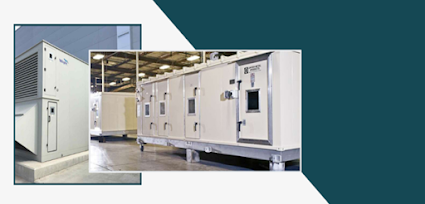
Companies like Syntec Airflow System contribute to this area by providing reliable HVAC, OT airflow, and filtration solutions used across various medical setups.
Their systems support the stringent requirements of modular theatres by ensuring stable airflow, maintaining proper room pressure, and reducing airborne contamination.
Why Healthcare Facilities Prefer Modular OT Setups
The rising demand for advanced healthcare infrastructure, along with strict infection-control norms, makes modular operation theatres a preferred choice. They offer:
-
Predictable construction quality
-
Higher safety standards
-
Easy upgradation to meet medical advancements
-
Better compliance with healthcare regulations
For these reasons, modular setups are now widely used not only in large hospitals but also in specialty clinics, research labs, and emergency care centers.
Conclusion
A modular OT represents a smart, future-ready solution for modern surgical practices. Its emphasis on infection control, superior airflow management, durability, and customization makes it an invaluable asset to any medical facility. As healthcare continues to evolve, modular operation theatres will play a crucial role in shaping safer, more efficient surgical environments.
Systems offered by skilled solution providers like Syntec Airflow System ensure that these theatres maintain the highest standards of precision and hygiene.


Comments
Post a Comment