Why Trusted Air Handling Unit Manufacturers Are the Heart of Healthy Indoor Spaces

Indoor air quality has become a critical factor for comfort, productivity, and health across industries. From hospitals and pharmaceutical units to commercial buildings and manufacturing plants, the demand for reliable ventilation solutions is constantly rising. This is where air handling unit manufacturers play a vital role by designing systems that regulate airflow, temperature, humidity, and cleanliness. Companies like Syntec Airflow System focus on engineering solutions that align with modern HVAC standards while supporting energy efficiency and long-term performance.
Understanding Air Handling Units
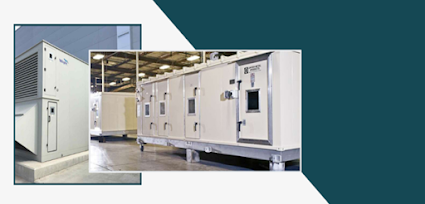
An air handling unit (AHU) is a core component of an HVAC system. It conditions and circulates air as part of heating, ventilation, and air conditioning processes. Typically, an AHU consists of filters, cooling and heating coils, blowers, dampers, and control systems. Reputed air handling unit manufacturers design these units to meet specific application needs such as cleanrooms, laboratories, malls, or industrial facilities. Customization is essential because airflow requirements differ widely depending on usage and occupancy.
Benefits of High-Quality Air Handling Units
1. Improved Indoor Air Quality
One of the main advantages of a well-designed AHU is cleaner air. Advanced filtration systems remove dust, allergens, and microbial contaminants, creating healthier indoor environments. This is especially important in healthcare and pharmaceutical sectors.
2. Energy Efficiency
Modern AHUs are built with energy-saving components such as high-efficiency fans, heat recovery systems, and smart controls. Experienced air handling unit manufacturers focus on reducing energy consumption without compromising performance, helping organizations lower operational costs.
3. Precise Temperature and Humidity Control
Maintaining stable temperature and humidity is crucial for both human comfort and sensitive processes. Quality AHUs ensure consistent control, which is essential in cleanrooms, data centers, and food processing units.
4. Long-Term Reliability
Robust construction, corrosion-resistant materials, and quality components increase the lifespan of AHUs. This results in fewer breakdowns, reduced maintenance, and dependable operation over time.
Role of Innovation in AHU Design
The HVAC industry is evolving with the integration of automation and smart technologies. Today, air handling unit manufacturers are incorporating IoT-enabled controls, building management system (BMS) compatibility, and real-time monitoring. These innovations allow facility managers to optimize performance, predict maintenance needs, and improve overall system efficiency. Syntec Airflow System emphasizes such forward-looking designs to meet the changing demands of modern infrastructure.
Applications Across Industries
Air handling units are used across a wide range of sectors including hospitals, pharmaceutical plants, IT parks, shopping malls, educational institutions, and industrial manufacturing. Each application requires a specific design approach, airflow capacity, and filtration level. Choosing a manufacturer with technical expertise and industry experience ensures the AHU performs efficiently in its intended environment.
Conclusion
Selecting the right AHU is not just about airflow—it is about creating safe, comfortable, and energy-efficient indoor spaces. Reliable air handling unit manufacturers contribute significantly to building performance by offering customized, durable, and technologically advanced solutions. With a strong focus on quality engineering and compliance with international standards, companies like Syntec Airflow System continue to support industries in achieving better air quality and sustainable HVAC performance.


Comments
Post a Comment