Why Smart Air Handling Unit Design Is the Heart of a Healthy Indoor Environment

In today’s commercial, industrial, and healthcare spaces, indoor air quality is no longer optional—it’s essential. From factories and offices to hospitals and cleanrooms, the way air is treated and circulated directly impacts comfort, safety, and energy efficiency. This is where air handling unit design plays a crucial role. A well-engineered system ensures balanced airflow, temperature control, and filtration while supporting long-term operational reliability. Companies like Syntec Airflow System focus on creating solutions that align engineering precision with real-world application needs.
Understanding Air Handling Units
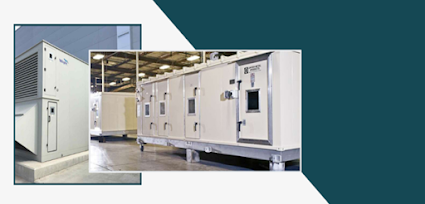
An air handling unit (AHU) is a central component of an HVAC system. It conditions and circulates air by regulating temperature, humidity, and cleanliness before distributing it throughout a building. The effectiveness of the entire HVAC setup often depends on how thoughtfully the air handling unit design is planned, considering factors such as building usage, climate, and occupancy load.
Key Benefits of Efficient Design
A properly planned AHU offers several long-term advantages:
-
Improved Indoor Air Quality: Advanced filtration and controlled airflow reduce dust, microbes, and contaminants.
-
Energy Efficiency: Optimized component selection lowers power consumption and operating costs.
-
Consistent Thermal Comfort: Uniform air distribution avoids hot or cold spots.
-
Reduced Maintenance Issues: Smart layouts and quality materials extend equipment life.
By focusing on these aspects, modern air handling unit design supports both sustainability goals and occupant well-being.
Design Factors That Matter
Effective AHU planning involves more than selecting a fan and filter. Engineers must evaluate airflow capacity, static pressure, heat load, and space constraints. Noise control, ease of access for maintenance, and future scalability are also important. Syntec Airflow System emphasizes customized engineering, ensuring that each solution matches the application—whether it’s a pharmaceutical cleanroom or a commercial facility.
Applications Across Industries
Well-designed AHUs are critical in multiple sectors:
-
Healthcare: Maintains sterile conditions and patient comfort.
-
Pharmaceuticals: Supports contamination-free production.
-
Commercial Buildings: Enhances comfort and productivity.
-
Industrial Facilities: Handles heat and airborne particles efficiently.
In all these environments, dependable air handling unit design ensures compliance with standards and smooth daily operations.
Role of Technology and Innovation
Modern AHUs integrate automation, sensors, and energy-saving components. Variable frequency drives, high-efficiency filters, and smart controls allow systems to adapt to real-time demand. Syntec Airflow System incorporates these advancements to deliver solutions that are reliable, efficient, and future-ready, without compromising on performance.
Conclusion
A building’s air system is only as strong as its foundation, and that foundation lies in thoughtful air handling unit design. When engineered correctly, AHUs improve air quality, reduce energy use, and create healthier indoor environments. By combining technical expertise with application-specific insights, manufacturers like Syntec Airflow System help industries achieve long-lasting and efficient HVAC performance.


Comments
Post a Comment