Importance of Laminar Air Flow Systems in Modern Operating Rooms
Healthcare facilities require highly controlled environments to ensure patient safety and successful medical procedures. One of the most critical components of a sterile surgical environment is laminar air flow in operating room systems. These systems help maintain clean air conditions by reducing airborne contamination and controlling the movement of particles within the operating theatre.
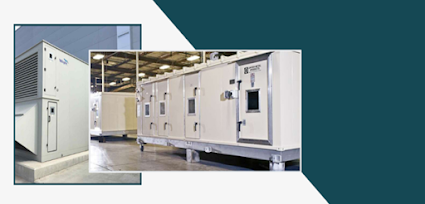
With increasing standards for infection control, hospitals and healthcare institutions are investing in advanced air management technologies. Companies like Syntec Airflow Systems play a significant role in delivering reliable airflow and contamination control solutions that support modern healthcare infrastructure.

What is Laminar Air Flow in an Operating Room?
Laminar air flow in operating room environments refers to a ventilation system that supplies filtered air in a uniform and unidirectional pattern. The airflow moves at a constant speed, minimizing turbulence and preventing the spread of airborne particles.
The system typically uses high efficiency particulate air filters to remove contaminants before clean air enters the surgical area. This helps create a safer environment for patients, surgeons, and medical staff.
Why Air Quality Matters in Surgical Areas
Operating rooms are highly sensitive spaces where even minor contamination can increase the risk of infections. Maintaining proper air quality is essential for ensuring successful surgical outcomes.
Benefits of effective air management include:
- Reduced risk of surgical site infections
- Better control of airborne contaminants
- Enhanced patient safety
- Improved working conditions for medical staff
- Compliance with healthcare regulations
- Consistent environmental control
These advantages make advanced airflow systems a necessity in modern healthcare facilities.
Key Features of Laminar Air Flow Systems
A well-designed laminar airflow system offers several important features that contribute to operating room safety.
Uniform Air Distribution
Clean air is supplied evenly across the surgical zone, reducing contamination risks around critical procedures.
High Efficiency Filtration
HEPA filters remove microscopic particles, bacteria, and other airborne contaminants before air enters the operating room.
Controlled Air Velocity
Consistent airflow prevents turbulence and ensures contaminants are carried away from sterile areas.
Continuous Air Purification
The system maintains clean conditions throughout surgical procedures by constantly filtering and circulating air.
Role of Cleanroom Equipment in Healthcare Facilities
Apart from ventilation systems, hospitals also depend on various cleanroom equipments to maintain controlled environments. These specialized products support contamination control in operating rooms, laboratories, pharmaceutical facilities, and research centers.
Common examples of cleanroom equipments include:
- HEPA filtration units
- Pass boxes
- Air showers
- Cleanroom doors
- Sampling booths
- Sterile storage systems
Together, these solutions help maintain cleanliness standards and improve operational efficiency in critical healthcare environments.
Applications Beyond Operating Rooms
While airflow systems are essential in surgical theatres, their importance extends to several other industries and applications.
Pharmaceutical Manufacturing
Controlled environments help ensure product quality and compliance with industry standards.
Research Laboratories
Clean air conditions support accurate testing and scientific research activities.
Biotechnology Facilities
Contamination control is essential for handling sensitive biological materials.
Medical Device Manufacturing
Maintaining sterile conditions helps protect product integrity during production processes.
Why Choose Syntec Airflow Systems?
Syntec Airflow Systems has established itself as a trusted provider of advanced air handling and contamination control solutions. The company offers innovative systems designed to meet the strict requirements of healthcare, pharmaceutical, and industrial facilities.
Their expertise includes cleanroom solutions, air handling units, ventilation systems, and specialized airflow technologies that help organizations achieve superior environmental control.
By focusing on quality engineering and performance, Syntec Airflow Systems supports facilities looking to improve operational efficiency and maintain high cleanliness standards.
Future of Airflow Technology in Healthcare
Healthcare facilities continue to adopt smarter and more efficient technologies to enhance patient safety. Advanced monitoring systems, energy efficient ventilation designs, and improved filtration technologies are shaping the future of clean air management.
As infection control standards become more demanding, the importance of laminar air flow in operating room environments will continue to grow. Hospitals that invest in modern airflow systems are better positioned to provide safe and reliable healthcare services.
Conclusion
Maintaining a sterile surgical environment is essential for patient safety and successful medical procedures. Laminar air flow in operating room systems provide controlled airflow, effective filtration, and contamination prevention that support high healthcare standards. Combined with advanced cleanroom equipments, these systems help hospitals and healthcare facilities achieve superior environmental control. Syntec Airflow Systems continues to contribute to this mission by delivering innovative airflow and cleanroom solutions tailored to modern industry requirements.


Comments
Post a Comment