HVAC Equipment Manufacturers: A Guide to Choosing the Right HVAC Solutions
Heating, ventilation, and air conditioning (HVAC) systems play an essential role in maintaining comfortable indoor environments across residential, commercial, and industrial spaces. From offices and hospitals to manufacturing facilities and shopping malls, HVAC systems help regulate temperature, manage humidity, and improve indoor air quality. Selecting reliable HVAC equipment manufacturers is therefore an important decision for businesses looking for efficient, durable, and dependable climate control solutions.
The right manufacturer can provide quality equipment, technical support, and solutions tailored to specific building requirements. Understanding the different types of HVAC equipment, important selection criteria, and emerging industry trends can help businesses make informed decisions and achieve long-term operational efficiency.

What Do HVAC Equipment Manufacturers Do?
HVAC equipment manufacturers design, develop, and produce systems and components used for heating, cooling, ventilation, and air distribution. Their products help maintain suitable indoor temperatures, circulate fresh air, and support healthy indoor environments.
Depending on their specialisation, manufacturers may supply individual components or complete HVAC solutions for different applications. These products are commonly used in commercial buildings, industrial plants, healthcare facilities, educational institutions, hotels, and residential developments.
Reliable manufacturers focus on product performance, energy efficiency, durability, and compliance with applicable industry standards. They may also provide technical documentation, installation guidance, maintenance recommendations, and after-sales assistance to support customers throughout the equipment lifecycle.
Types of HVAC Equipment Used in Modern Buildings
Understanding the different categories of HVAC equipment helps businesses identify the right products for their projects.
1. Air Handling Units
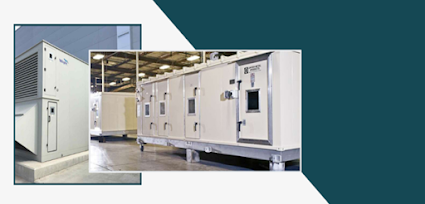
Air handling units (AHUs) are important components of commercial and industrial HVAC systems. They condition and circulate air throughout a building using components such as filters, fans, heating or cooling coils, and dampers.
Depending on the application, AHUs can support temperature regulation, air filtration, and humidity control. They are widely used in hospitals, offices, hotels, laboratories, and manufacturing facilities where consistent indoor air conditions are important.
2. Heating and Cooling Equipment
Heating and cooling equipment maintains the desired indoor temperature under different weather conditions. Common systems include chillers, heat pumps, boilers, and air conditioning units.
The selection of appropriate equipment depends on building size, occupancy, climate, energy requirements, and the intended application. Correct system sizing can help prevent unnecessary energy consumption and improve overall performance.
3. Ventilation Systems
Ventilation systems help remove stale indoor air and introduce fresh outdoor air where required. They may include exhaust fans, supply fans, ventilation units, and associated ductwork.
Effective ventilation is particularly important in commercial kitchens, industrial facilities, healthcare environments, and crowded buildings. A properly designed system supports indoor air quality while helping maintain suitable airflow throughout the space.
4. Air Filtration Equipment
Air filtration equipment removes airborne particles such as dust and other contaminants from circulating air. Different filtration technologies are selected according to the environment and the required air cleanliness.
Commercial offices, healthcare facilities, laboratories, and industrial applications may require different filtration levels. Choosing appropriate filters and maintaining them according to manufacturer recommendations helps preserve airflow and system performance.
5. Ducting and Air Distribution Components
Ductwork, diffusers, grilles, dampers, and related components distribute conditioned air throughout a building. Their design influences airflow balance, comfort, and energy consumption.
Well-designed air distribution systems help reduce unwanted air leakage, minimise pressure losses, and deliver conditioned air to the intended areas.
Key Factors to Consider When Choosing HVAC Equipment Manufacturers
Selecting a manufacturer involves more than comparing product specifications. Businesses should assess several factors before making a purchasing decision.
Product Quality and Reliability
Equipment quality directly affects system performance, maintenance requirements, and service life. Review product specifications, construction materials, component quality, warranties, and relevant certifications.
Manufacturers with established quality-control processes can help businesses reduce the risk of equipment failures and unexpected maintenance.
Energy Efficiency
Energy consumption is a major consideration for buildings that operate HVAC systems for extended periods. Efficient fans, appropriately selected motors, effective heat exchangers, and well-designed controls can contribute to lower operating costs.
When comparing equipment, evaluate relevant performance ratings and consider the expected operating conditions rather than relying on general efficiency claims alone.
Customisation and Application Requirements
Different buildings have different heating, cooling, ventilation, and filtration requirements. A manufacturer should be able to explain which products suit the intended application and whether customised configurations are available.
Factors such as airflow volume, static pressure, temperature range, available installation space, and environmental conditions should be considered during equipment selection.
Technical Expertise
Technical expertise is particularly important for complex commercial and industrial projects. Manufacturers should provide clear product documentation and help customers understand equipment specifications, operating requirements, and compatibility with existing systems.
For larger projects, coordination between manufacturers, HVAC consultants, contractors, and facility managers can help ensure that the selected equipment meets the overall system design.
After-Sales Support and Maintenance
Regular maintenance helps HVAC equipment operate efficiently and reliably. Before choosing a supplier, ask about warranty coverage, spare-parts availability, technical assistance, and maintenance recommendations.
Accessible support can help minimise downtime and simplify equipment servicing throughout its operational life.
Benefits of Working with a Reliable HVAC Manufacturer
Partnering with an experienced manufacturer can provide several practical advantages.
Improved system performance: Correctly specified equipment supports consistent airflow, temperature regulation, and ventilation.
Better energy management: Efficient components and suitable system configurations can help reduce avoidable energy consumption.
Long-term reliability: Quality materials and manufacturing processes can support dependable operation and reduce unexpected service interruptions.
Application-specific solutions: Equipment selection based on building requirements can improve compatibility and operational effectiveness.
Technical guidance: Product information and professional support can help project teams make informed installation and maintenance decisions.
These benefits depend on the complete HVAC system, including equipment selection, installation quality, commissioning, controls, and ongoing maintenance.
Industries That Depend on HVAC Equipment
HVAC equipment is used across a wide range of sectors, with each industry having specific environmental and operational requirements.
Healthcare: Hospitals and clinics require carefully designed ventilation and filtration systems to support indoor air quality and applicable hygiene requirements.
Commercial buildings: Offices, shopping centres, and hotels need effective temperature control and ventilation for occupant comfort.
Manufacturing: Industrial facilities may require specialised cooling, ventilation, and humidity management to support equipment and production processes.
Pharmaceuticals and laboratories: Certain applications require controlled environmental conditions and specialised filtration systems.
Education: Schools, colleges, and universities depend on suitable ventilation and temperature control for learning environments.
Data centres: These facilities require dependable cooling systems to manage the heat generated by computing equipment.
Understanding industry-specific requirements helps businesses select appropriate equipment and avoid unnecessary design compromises.
HVAC Industry Trends: Energy Efficiency and Smart Controls
The HVAC industry continues to evolve as businesses focus on energy efficiency, environmental performance, and improved building management.
Smart controls and building management systems can monitor temperature, equipment status, and energy consumption. Depending on system design, these technologies may help facility managers identify operating problems and optimise equipment schedules.
Other important developments include variable-speed drives, improved heat-transfer technologies, energy recovery ventilation, and the use of appropriate refrigerants with lower environmental impact.
Preventive maintenance is also gaining importance. Monitoring equipment performance and following recommended servicing schedules can help identify potential problems before they cause significant operational disruption.
Businesses evaluating new HVAC equipment should consider both current requirements and future maintenance, energy, and sustainability objectives.
Why Choose Syntec Airflow System for HVAC Solutions?
When evaluating Syntec Airflow System, businesses should consider how its HVAC-related products and capabilities align with their project requirements. Important evaluation criteria include equipment specifications, airflow performance, construction quality, customisation options, energy efficiency, and technical support.
Before finalising a purchase, confirm the availability of the required equipment, its compatibility with the overall HVAC design, applicable certifications, warranty conditions, and service arrangements. Comparing these factors helps project teams select solutions that meet their operational needs and long-term performance expectations.
A well-informed selection process can help businesses balance initial investment, operating efficiency, reliability, and maintenance requirements.
Conclusion
Choosing the right HVAC equipment manufacturers is an important step in developing efficient and reliable heating, cooling, and ventilation systems. Businesses should assess product quality, energy performance, technical expertise, customisation options, and after-sales support before selecting a manufacturing partner.
From air handling units and ventilation systems to filtration equipment and air distribution components, every element contributes to the overall performance of an HVAC installation. Careful equipment selection, professional system design, correct installation, and regular maintenance can help improve indoor comfort, support air quality, and manage operating costs.
By evaluating project requirements and comparing manufacturers on measurable criteria, businesses can make informed decisions and invest in HVAC solutions suited to their long-term needs.
Frequently Asked Questions
1. What do HVAC equipment manufacturers produce?
HVAC equipment manufacturers produce systems and components for heating, ventilation, cooling, air filtration, and air distribution. Their products may include air handling units, fans, chillers, ventilation equipment, and related components.
2. How do I choose the right HVAC equipment manufacturer?
Evaluate product quality, energy efficiency, technical expertise, customisation options, certifications, warranty terms, and after-sales support. Ensure that the equipment matches your building's design and operational requirements.
3. What is an air handling unit used for?
An air handling unit conditions and circulates air through a building. Depending on its configuration, it can filter air, regulate temperature, and support humidity management.
4. Why is energy efficiency important in HVAC equipment?
Energy-efficient HVAC equipment can help reduce electricity consumption and operating expenses while supporting comfortable indoor conditions. Actual savings depend on system design, usage patterns, installation, and maintenance.
5. Which industries require specialised HVAC systems?
Healthcare, pharmaceuticals, manufacturing, laboratories, data centres, commercial buildings, and educational institutions may require specialised HVAC equipment based on their ventilation, cooling, filtration, and environmental control requirements.


Comments
Post a Comment