Top AHU Manufacturers in India: A Guide to Choosing the Right Air Handling Unit
Air handling units (AHUs) play a crucial role in modern heating, ventilation, and air conditioning (HVAC) systems. They help maintain indoor air quality, regulate temperature, control humidity, and circulate clean air across commercial, industrial, and institutional spaces. From pharmaceutical manufacturing facilities to hospitals, offices, and shopping malls, AHUs support comfortable and controlled indoor environments.
With the growing demand for energy-efficient HVAC solutions in India, businesses are increasingly searching for the top AHU manufacturers in India that can deliver reliable performance, quality construction, and solutions tailored to specific operational requirements. However, selecting the right manufacturer involves more than comparing product specifications. It requires evaluating technical expertise, customization options, energy efficiency, after-sales support, and compliance with applicable industry standards.
This guide explores the key features of air handling units, the factors to consider when selecting a manufacturer, and the benefits of choosing the right AHU solution for your facility.

What Is an Air Handling Unit (AHU)?
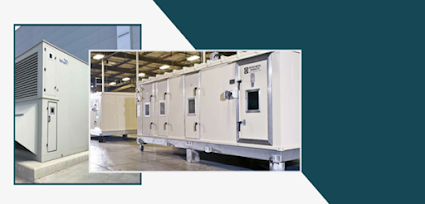
An air handling unit is a component of an HVAC system designed to condition and distribute air throughout a building or industrial facility. Depending on its configuration, an AHU can filter, heat, cool, humidify, dehumidify, and circulate air to maintain the required indoor conditions.
A typical air handling unit consists of several components, including:
Air filters: Capture airborne dust and other particles to improve air cleanliness.
Cooling and heating coils: Adjust the temperature of the supplied air.
Fans and blowers: Move air through the unit and connected ductwork.
Dampers: Regulate airflow and support fresh-air and return-air mixing.
Humidification and dehumidification systems: Help maintain the required moisture levels.
Control systems: Monitor and regulate operating parameters for consistent performance.
The configuration of an AHU depends on the building's size, ventilation requirements, environmental conditions, and application.
Why Is Demand for AHU Manufacturers Growing in India?
India's expanding industrial and commercial infrastructure has increased the need for effective indoor air management. Businesses require HVAC systems that can maintain stable environmental conditions while managing energy consumption and operating costs.
Several industries depend on air handling units for their daily operations.
1. Pharmaceutical and Healthcare Facilities
Pharmaceutical manufacturing plants, laboratories, and hospitals often require controlled air quality and temperature conditions. Properly designed AHUs can support filtration, ventilation, and humidity control based on the facility's requirements.
2. Commercial Buildings
Shopping malls, hotels, corporate offices, and business centres use AHUs to maintain comfortable indoor environments. Efficient air distribution and temperature regulation help improve occupant comfort.
3. Food Processing Industries
Food processing and packaging facilities may require controlled temperature, humidity, and ventilation to support product quality and hygienic operations. AHU specifications should be selected according to the particular production process.
4. Industrial Manufacturing
Manufacturing facilities often generate heat, dust, or process-related airborne contaminants. Suitable HVAC and air handling systems help manage ventilation and maintain the required environmental conditions.
5. Cleanrooms and Research Laboratories
Cleanrooms require carefully planned airflow, filtration, and pressure relationships. AHUs used in these environments must be designed around the applicable cleanliness classification and process requirements.
Key Factors to Consider When Choosing the Top AHU Manufacturers in India
Finding a suitable manufacturer requires a clear understanding of your facility's technical and operational needs. Consider the following factors before making a purchasing decision.
1. Product Quality and Construction
The quality of an air handling unit affects its durability, reliability, and maintenance requirements. Evaluate the casing construction, insulation, corrosion resistance, access panels, and quality of internal components.
Ask manufacturers for technical datasheets and documentation that explain the materials and construction methods used in their equipment.
2. Energy Efficiency
Energy consumption is an important consideration because AHUs may operate for extended periods. Efficient fan systems, appropriately selected motors, low-resistance filters, and well-designed coils can help reduce energy use.
Compare the complete system's expected performance rather than relying on a single efficiency claim. Correct equipment sizing and suitable controls also contribute to efficient operation.
3. Customization Capabilities
Different facilities have different requirements. A pharmaceutical plant may need specialized filtration and pressure control, while a commercial building may prioritize occupant comfort and operating efficiency.
Choose a manufacturer that can configure the AHU according to the required airflow, cooling capacity, filtration level, humidity range, installation space, and operating conditions.
4. Filtration and Air Quality
Air filtration requirements vary depending on the application. General commercial spaces may need conventional particulate filtration, whereas specialized cleanroom environments may require higher-efficiency filtration and additional validation.
Discuss the required filtration stages, filter replacement arrangements, pressure drop, and maintenance access with the manufacturer.
5. Technical Expertise and Industry Experience
An experienced manufacturer should understand HVAC design principles, airflow calculations, equipment selection, and application-specific requirements. Ask about previous projects in industries similar to yours and request relevant technical documentation.
The ability to coordinate with HVAC consultants, contractors, and facility teams can also help simplify installation and commissioning.
6. Installation and After-Sales Support
Even a well-designed AHU requires proper installation, commissioning, and maintenance. Before selecting a supplier, understand the warranty terms, availability of replacement parts, service coverage, and technical support process.
Reliable after-sales assistance can help reduce downtime and maintain consistent system performance.
Types of Air Handling Units Available in India
AHUs are available in different designs to suit various applications.
Modular AHUs: These units use configurable sections that can be arranged according to project requirements. They are suitable for many commercial and industrial applications.
Custom-built AHUs: These systems are designed for projects with specific airflow, filtration, dimensional, or environmental requirements.
Hygienic AHUs: Designed for applications where cleanliness and controlled air quality are particularly important, subject to the relevant project specifications.
Compact AHUs: These units are useful where installation space is limited and the required airflow capacity can be accommodated within a compact design.
Fresh-air handling units: These systems are configured to treat incoming outdoor air before distributing it into a building or connecting it to the wider HVAC system.
The most appropriate type depends on the building layout, required air volume, available installation space, and intended application.
Benefits of Working with a Reliable AHU Manufacturer
Choosing a dependable manufacturer can deliver several long-term benefits.
Consistent performance: Proper equipment selection helps maintain the required airflow and environmental conditions.
Improved indoor air quality: Suitable filtration and ventilation can help manage airborne particulate matter.
Energy management: Efficient components and appropriate controls can reduce unnecessary energy consumption.
Application-specific solutions: Custom configurations help address the needs of different industries.
Simplified maintenance: Accessible components and practical service arrangements can make routine maintenance easier.
Long-term operational value: Durable construction, correct installation, and regular servicing can support equipment longevity.
These benefits depend on the overall system design, installation quality, operating conditions, and maintenance practices.
Why Consider Syntec Airflow System for AHU Solutions?
When evaluating the top AHU manufacturers in India, businesses should look for a supplier that understands the relationship between airflow, filtration, environmental control, and operational efficiency. Syntec Airflow System is a company to consider when exploring air handling and HVAC solutions for industrial and commercial requirements.
Before finalizing a project, buyers should review the supplier's available configurations, technical capabilities, manufacturing quality, customization options, and service arrangements. It is also advisable to share detailed project specifications so the proposed equipment can be evaluated against the facility's actual needs.
A structured comparison of technical specifications, expected operating costs, warranty coverage, and installation support can help businesses make an informed procurement decision.
How to Select the Right AHU for Your Facility
Follow these practical steps when planning an AHU installation or replacement:
Assess the application: Identify whether the system will serve a commercial building, hospital, pharmaceutical facility, cleanroom, or industrial process.
Calculate airflow requirements: Determine the required air volume based on occupancy, ventilation needs, process loads, and applicable design standards.
Define filtration requirements: Select appropriate filtration stages according to the desired indoor air quality and cleanliness level.
Evaluate energy performance: Review fan selection, motor efficiency, coil performance, controls, and expected operating hours.
Check installation constraints: Confirm available space, access routes, duct connections, and maintenance clearances.
Compare technical proposals: Review specifications, exclusions, delivery timelines, warranty terms, and service support.
Plan maintenance: Establish a schedule for filter replacement, coil cleaning, fan inspection, and control-system checks.
Consulting an HVAC professional can help ensure that the selected system meets the building's design requirements and applicable regulations.
Frequently Asked Questions (FAQs)
1. What does an AHU manufacturer do?
An AHU manufacturer designs or produces air handling units used in HVAC systems. Depending on its capabilities, the manufacturer may also provide customized configurations, technical documentation, and related project support.
2. Which industries use air handling units?
AHUs are used in healthcare, pharmaceuticals, commercial buildings, hospitality, food processing, manufacturing, laboratories, and cleanroom environments.
3. How do I choose the best AHU manufacturer in India?
Compare product quality, energy performance, customization capabilities, filtration options, technical expertise, warranty coverage, and after-sales service. Ensure the proposed unit meets your project's requirements.
4. Are customized AHUs available for pharmaceutical applications?
Customized AHUs can be designed for pharmaceutical facilities according to their required airflow, filtration, humidity, temperature, and pressure-control specifications. The design should also address applicable industry requirements.
5. How often should an AHU be maintained?
Maintenance frequency depends on operating hours, environmental conditions, filter loading, and manufacturer recommendations. Routine inspections should cover filters, coils, fans, condensate drainage, and controls.
Conclusion
Selecting from the top AHU manufacturers in India requires a careful assessment of product quality, energy efficiency, technical expertise, customization options, and ongoing service support. The right air handling unit can help maintain indoor air quality, provide reliable environmental control, and support efficient HVAC operations across a wide range of industries.
By defining your facility's requirements, comparing detailed technical proposals, and evaluating the manufacturer's capabilities, you can make a more informed investment. Prioritizing correct sizing, professional installation, and preventive maintenance will help ensure that your AHU system delivers dependable performance over its service life.


Comments
Post a Comment